Orthodontic Costs and Insurance Options in NE
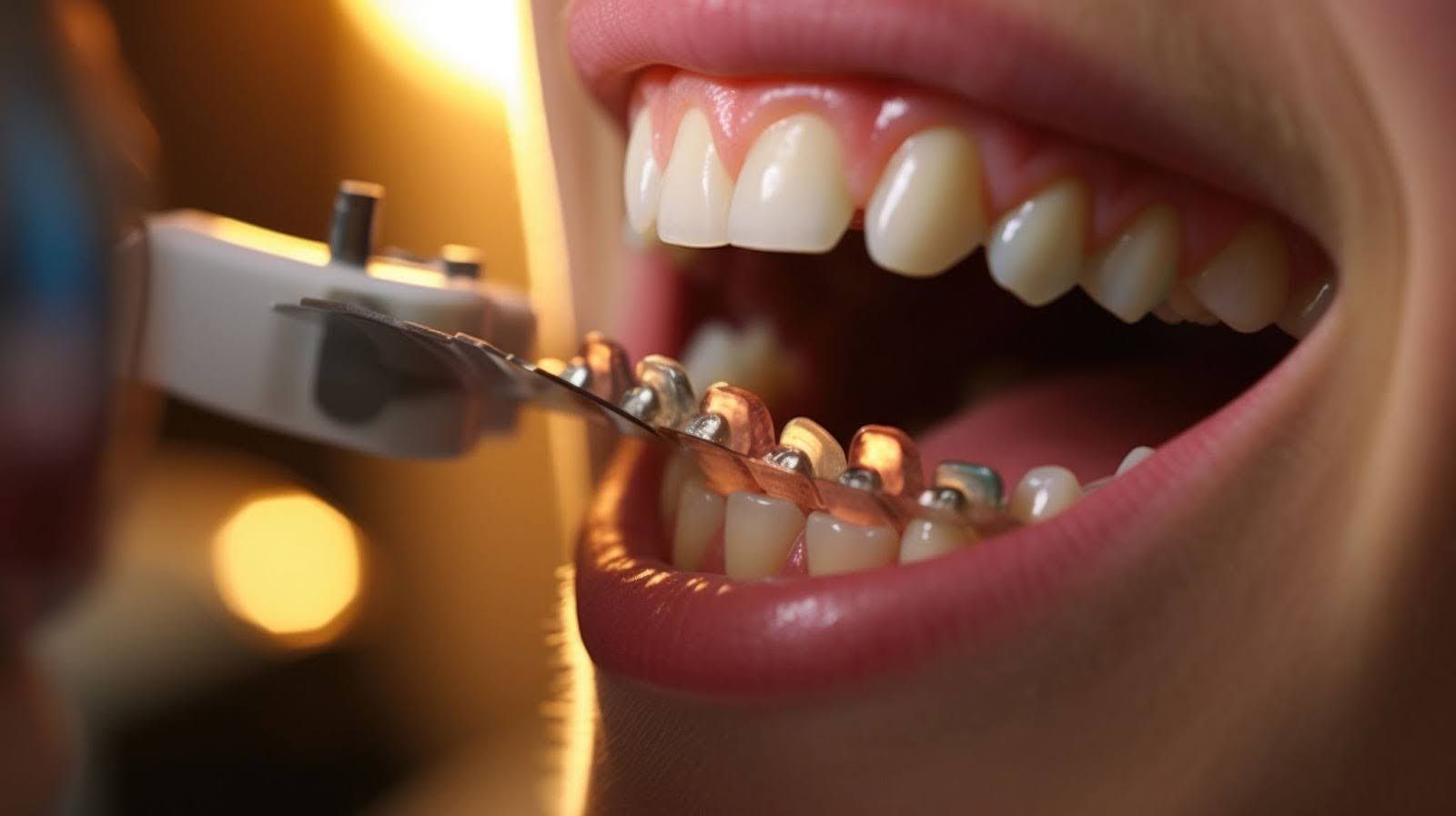
Navigating the world of orthodontic care can be daunting, particularly when it comes to understanding the associated costs and insurance options. For families in Nebraska, planning for orthodontic treatments such as braces or Invisalign requires a comprehensive understanding of the financial landscape.
Overview of Orthodontic Costs
Orthodontic treatments, though beneficial for both health and appearance, can pose significant financial challenges.
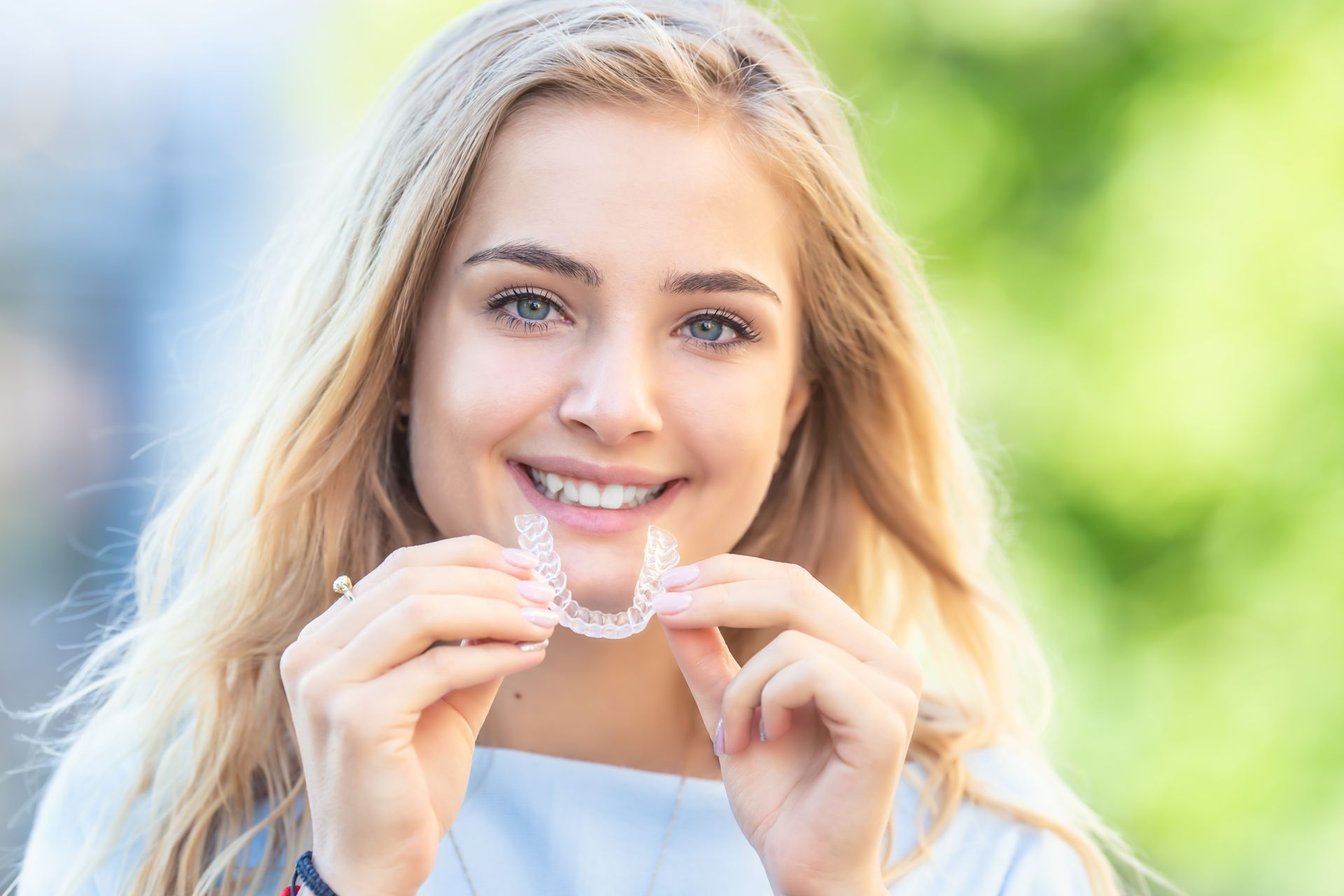
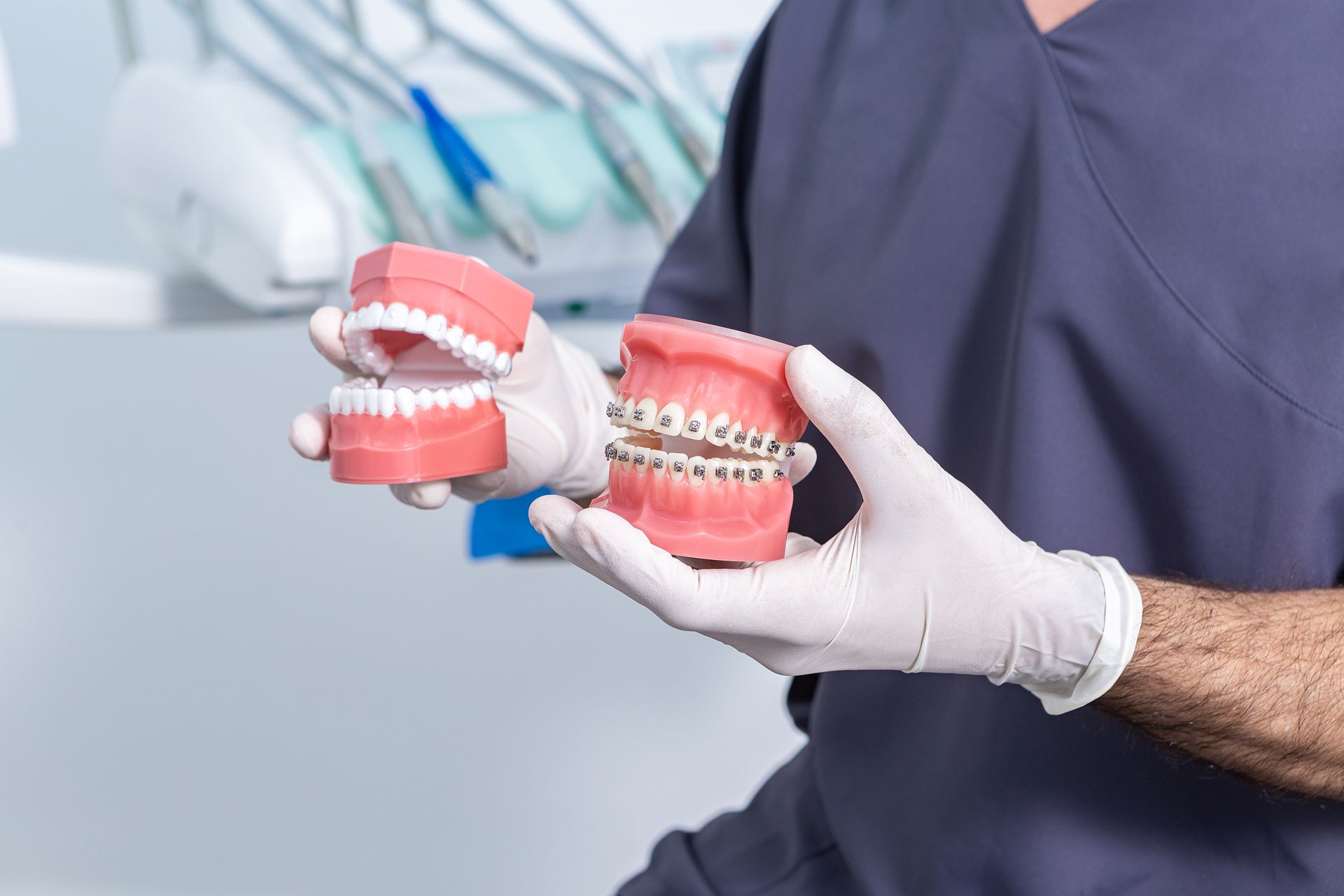
Costs for treatments like braces and Invisalign depend on various factors, such as the complexity of the treatment, its duration, and the type of appliances used. These figures are influenced by the specific needs of the patient and the pricing policies of the orthodontist.
In Nebraska, orthodontic costs are generally in line with national averages. Factors such as the orthodontist's experience, the practice's location, and the patient's specific requirements contribute to the final cost. Families should carefully evaluate these elements to anticipate expenses accurately.
Financing Options for Orthodontic Care
Finding ways to finance orthodontic care can be challenging, but several options are available to alleviate the financial burden. Many clinics in Nebraska offer flexible payment plans, allowing patients to distribute the cost over time. These plans often feature low or no interest, making them an attractive choice for families.
Third-party financing options can provide loans specifically for medical expenses. It's important to thoroughly understand the interest rates and terms of these agreements to prevent unexpected costs. Healthcare credit cards and personal loans present alternative methods for managing orthodontic expenses, offering added flexibility.
Insurance Coverage for Orthodontics
Dental insurance plays a crucial role in reducing the cost of orthodontic treatments, though it often comes with limitations. Many plans cover a portion of the cost, typically up to a specified dollar amount or percentage. In Nebraska, insurance coverage varies widely, necessitating a careful comparison of different plans to find the most suitable option.
When choosing an insurance plan, consider the specifics of orthodontic coverage. Some plans may cover traditional braces but not Invisalign, or they might have age restrictions. It's important to assess these factors when selecting an insurance plan to ensure it meets your needs.
Affordability Options at McAllister Orthodontics
McAllister Orthodontics is dedicated to making orthodontic care accessible to families in Omaha, Fremont, and Elkhorn. The practice offers various affordability options, including flexible payment plans and potential discounts. By collaborating closely with patients to tailor financial arrangements, McAllister Orthodontics ensures that quality care is attainable for more families.
Opting for a local practice like McAllister Orthodontics provides the advantage of familiarity with Nebraska's insurance landscape. This local expertise can simplify the process of navigating insurance claims and financing options.
Budgeting for Orthodontic Care
Effective budgeting is crucial when planning for orthodontic treatments. Utilizing tools such as Health Savings Accounts (HSAs) and Flexible Spending Accounts (FSAs) can offer tax advantages while saving for medical expenses. These accounts allow for pre-tax contributions, which can be used to pay for qualified medical expenses, including orthodontics.
Setting realistic financial goals and timelines for treatment is essential. By planning ahead and understanding the full scope of costs, families can avoid financial strain and ensure they receive the care needed.
Local Perspectives on Orthodontic Care
Residents of Omaha, Fremont, and Elkhorn have diverse experiences with orthodontic care, often highlighting the importance of community resources. Local support groups and initiatives can provide valuable assistance to families navigating the complexities of orthodontic treatment.
In Omaha, community programs focused on improving access to affordable orthodontic services are gaining momentum. These initiatives aim to provide financial aid and educational resources to families in need, ensuring broader access to necessary care.
Future Trends in Orthodontic Financing
The future of orthodontic financing is evolving, with emerging trends such as digital payment platforms and subscription models gaining popularity. These innovations offer greater flexibility and convenience for patients, potentially reducing the overall cost of care.
Technological advancements
are also influencing the accessibility of orthodontic treatments. As digital tools become more integrated into healthcare, the cost and efficiency of orthodontic procedures may improve. Potential policy changes could impact insurance coverage and financing options, making it essential for patients to stay informed about these developments.
Technological Advances in Orthodontics
Technological advancements in orthodontics are reshaping the landscape of dental care. The integration of digital tools and 3D imaging has improved the precision of treatments, allowing for more customized and efficient care. These innovations not only enhance the patient experience but also have the potential to reduce overall treatment costs.
The use of virtual consultations and teleorthodontics is expanding access to care. Patients can now receive professional advice and treatment plans remotely, saving time and reducing the need for frequent in-office visits. This shift towards digital solutions is expected to continue, offering patients greater flexibility and accessibility.
The Role of Preventive Care in Reducing Orthodontic Costs
Preventive care plays a crucial role in reducing the need for extensive orthodontic treatments. Regular dental check-ups and maintaining good oral hygiene can prevent issues that may require orthodontic intervention later on. Educating families about the importance of preventive care can lead to significant savings in orthodontic expenses.
In Nebraska, dental professionals emphasize the importance of early intervention. Identifying and addressing dental issues in children can prevent more severe problems in the future, reducing the need for costly orthodontic treatments. Encouraging preventive care from an early age is key to minimizing long-term orthodontic costs.
Community Support for Orthodontic Care
Community support plays a vital role in ensuring access to orthodontic care for all families. Local organizations and charities often provide financial assistance and resources to those in need. These programs help bridge the gap for families who may struggle to afford necessary treatments.
In Nebraska, community-driven initiatives are making a positive impact on access to orthodontic care. By fostering a supportive environment and providing financial aid, these programs ensure that more families can benefit from essential orthodontic treatments. The collective effort of communities in Nebraska is crucial in making orthodontic care more accessible and affordable.
Understanding the various aspects of orthodontic costs and financing is essential for families in Nebraska seeking orthodontic care. By exploring different options and staying informed about future trends, patients can make well-informed decisions that align with their financial and healthcare needs. The integration of technological advancements and community support initiatives further enhances access to orthodontic care, ensuring that quality treatments are within reach for all families.
For inquiries or assistance regarding orthodontic care,
reach out to McAllister Orthodontics today. Our team is committed to providing accessible and affordable orthodontic solutions tailored to your needs.