The Future of Orthodontics: What to Expect
Orthodontic treatment seems to be evolving at an unprecedented pace, and the next ten years promise even more exciting developments. From new applications of biology and technology to advanced techniques that prioritize patient comfort and individualized care, the future of orthodontics will likely reshape how patients approach their dental alignments. Below is an in-depth look at what may lie ahead in terms of materials, methods, and patient experience.
The Rise of Digitally Driven Orthodontics
One of the most significant shifts in orthodontics is the industry’s growing reliance on digital technology. Already, 3D imaging and intraoral scanning have become key components of modern treatment plans, offering enhanced accuracy and a more efficient experience. However, digital technology is expected to permeate nearly every aspect of the field in the coming decade, transforming not just how braces are designed, but also how patients are monitored throughout their treatment.
Real-time analytics powered by artificial intelligence could offer orthodontists and patients instantaneous insights into treatment progression. With the possibility of remote monitoring via smartphones or other connected devices, patients may have the power to send updates on their alignment progress without needing frequent in-person visits. By optimizing appointments around actual needs rather than set schedules, this approach can improve patient convenience and free up valuable chair time for more complex cases. The integration of AI into orthodontics shows promising potential for enhancing diagnostic accuracy and personalized treatment planning.
Innovations in Materials and Techniques
Materials science is another frontier that will likely revolutionize orthodontics in the near future. The shift from metal braces to ceramic or clear aligners has already demonstrated how materials can significantly affect aesthetics and comfort. The next wave could see the rise of even more flexible, durable, and environmentally friendly materials that are specifically engineered to reduce treatment times and minimize discomfort.
A breakthrough under consideration by researchers involves self-adjusting wires that could adapt to changing pressure requirements throughout the duration of a patient’s treatment. Such wires, coupled with custom 3D-printed brackets, could potentially lead to shorter treatment timelines and a more straightforward maintenance schedule. As science unravels how different materials behave on a molecular level, braces and aligners may become more lightweight, resistant to staining, and perhaps even capable of releasing low doses of medication to aid in tissue regeneration.
Personalized and Customizable Orthodontic Solutions
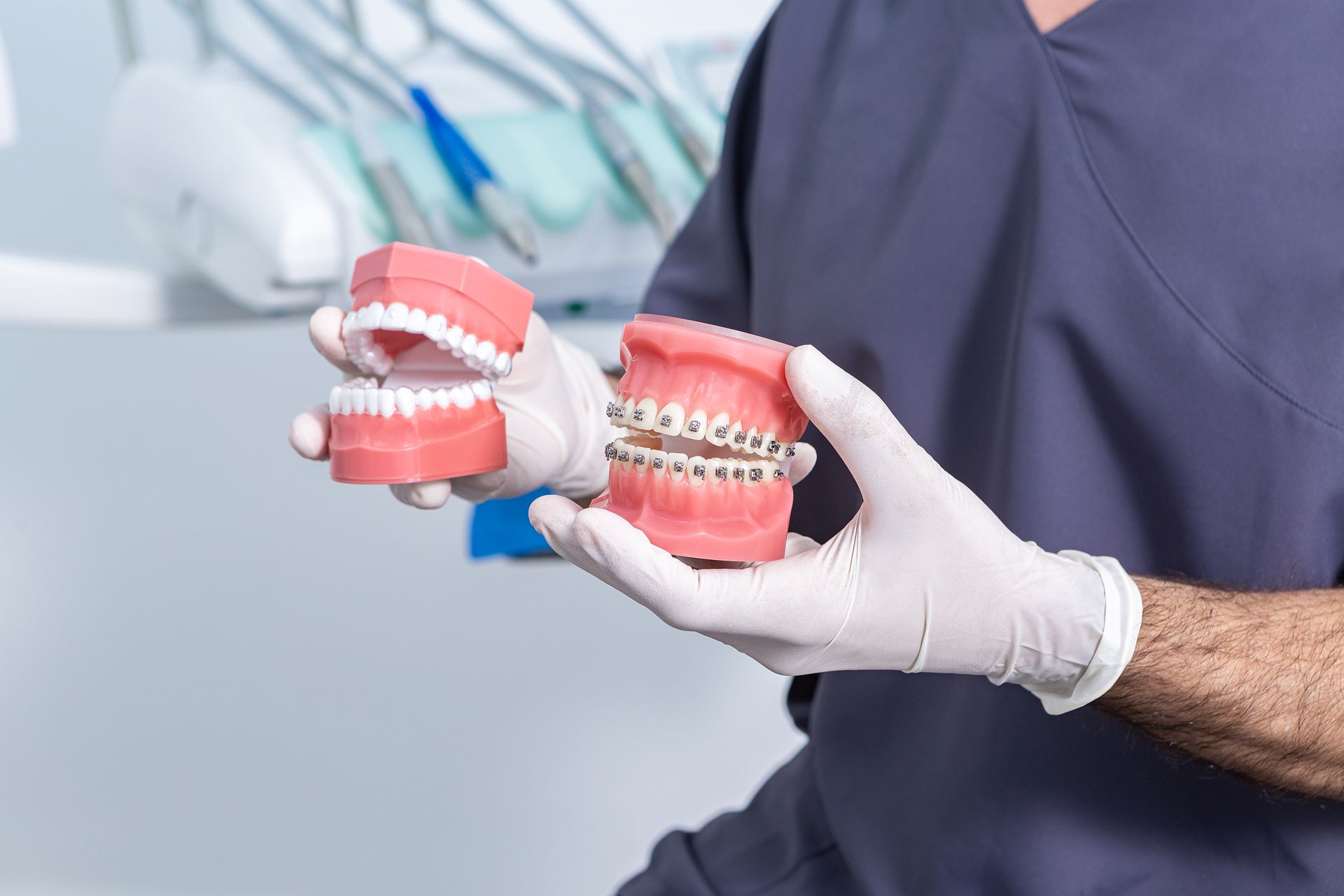
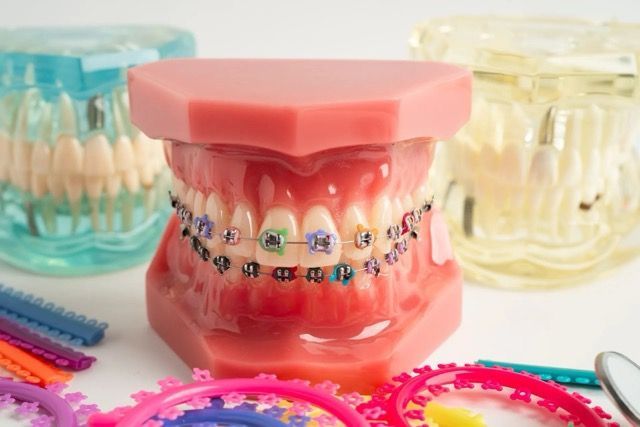
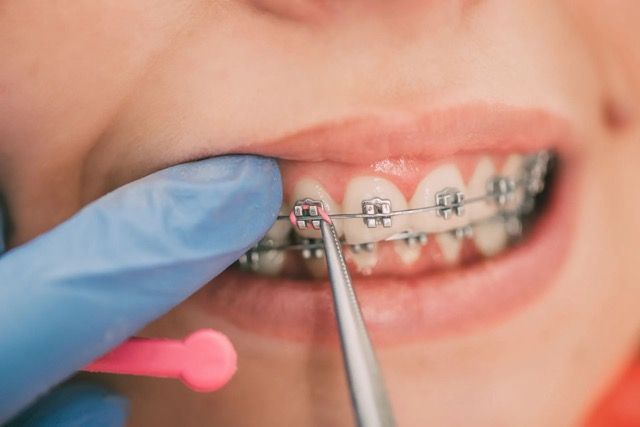
When people think of orthodontic care, the typical image is a singular, uniform approach: braces, wires, and the occasional elastics. However, personalized solutions are gaining traction. With advanced scanning and 3D printing, individual brackets and aligners can be precisely crafted to match the unique topography of each tooth. This type of personalization can result in better fits, reduced irritation, and a truly targeted path to straighter teeth.
That level of customization also extends to the timing and sequence of treatment phases. Rather than each patient adhering to the same standard protocol, orthodontists can draw upon computer algorithms and data analytics to create a highly tailored approach. By analyzing x-rays, scans, patient lifestyle factors, and even genetic markers, the future of orthodontics will likely offer treatments uniquely suited to each individual’s oral environment. This shift toward personalized care aims to improve both efficiency and patient satisfaction, while reducing the risk of complications.
Advancements in Patient Care and Comfort
Enhanced patient comfort stands at the forefront of emerging orthodontic technologies and methodologies. The era of sitting for protracted lengths while impressions are taken is already fading, replaced by digital scanning and faster x-ray technologies. Looking ahead, patients can expect shorter appointment times, fewer invasive procedures, and more flexible treatment plans that fit seamlessly into their daily routines.
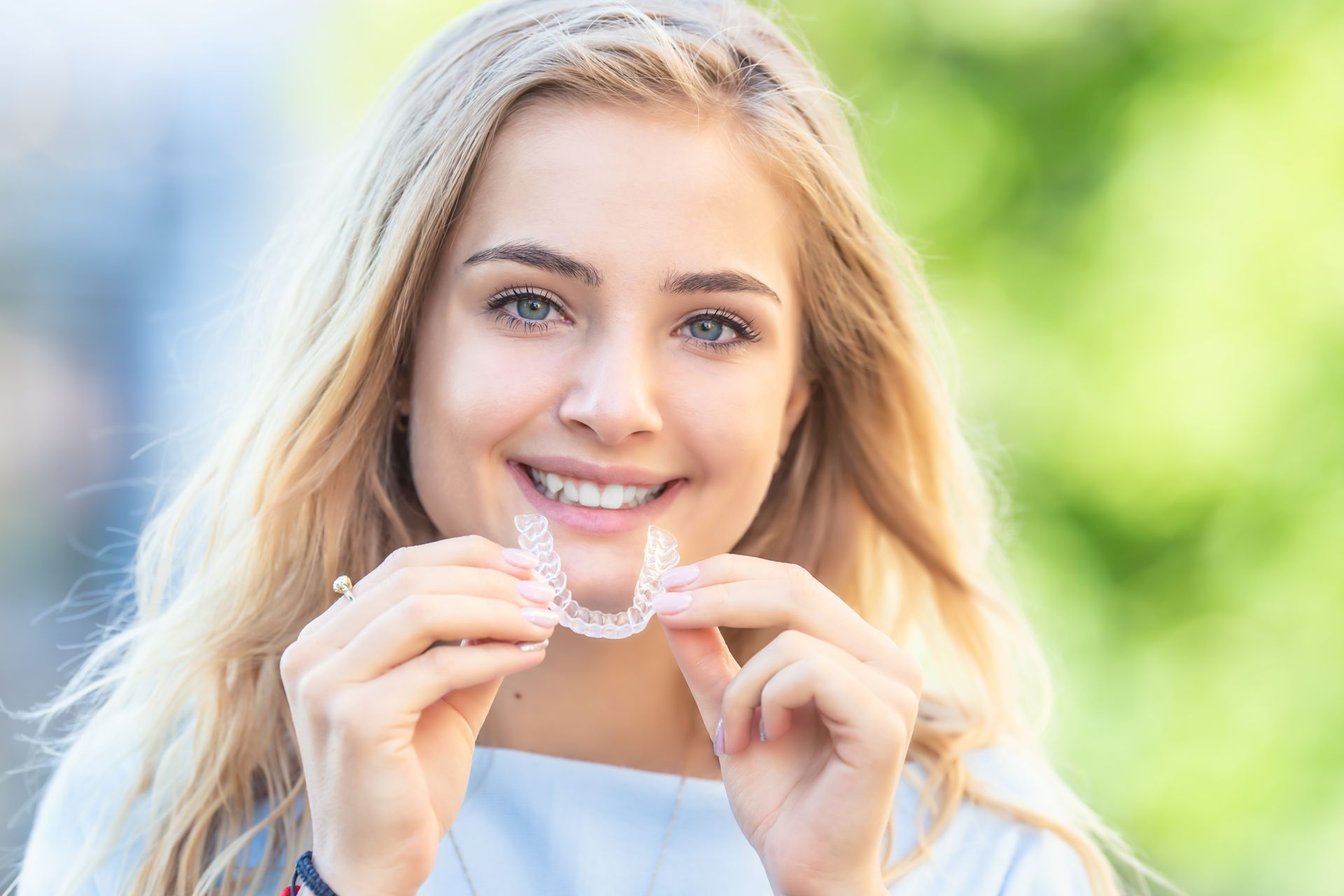
Virtual consultations—a relatively new feature in orthodontics—could become an even larger part of standard practice. By using high-resolution images and real-time video, doctors and patients can discuss progress, address concerns, and fine-tune treatment on the go. Moreover, the field may transform traditional braces through low-profile or “invisible” materials that effectively blend with the teeth.
Looking Toward Tomorrow’s Orthodontic Landscape
As the orthodontic field continues to evolve, patients will have a wealth of options for achieving healthy, perfectly aligned smiles. The convergence of digital technologies, advanced materials, and personalized approaches sets the stage for a transformative period. While these innovations will surely bring fresh opportunities, they also come with the responsibility of ensuring safe, ethically sound, and evidence-based practices.
At McAllister Orthodontics, our team is dedicated to embracing these developments responsibly, keeping patient well-being front and center. For anyone considering orthodontic treatment now or in the near future, staying informed about emerging technologies—such as AI-driven treatment planning and custom 3D-printed solutions—can help determine the right moment to begin the journey. By staying aware of new breakthroughs and discussing them openly with your orthodontist, you stand a better chance of benefiting from the safest, most effective, and most comfortable care possible.
Whether it is exploring digitized workflows to reduce visits or delving into the latest in material science, the decade ahead looks to redefine the way teeth are straightened and bites are corrected. Each step forward aims to deliver a more positive patient experience. As we move into this future, maintaining transparency about both the advantages and limitations of new methods becomes critical. After all, even the most cutting-edge technologies serve the same ultimate goal: helping people achieve and maintain the best oral health possible.
If you want to learn more or schedule a consultation, feel free to explore our resources and connect with us at McAllister Orthodontics.