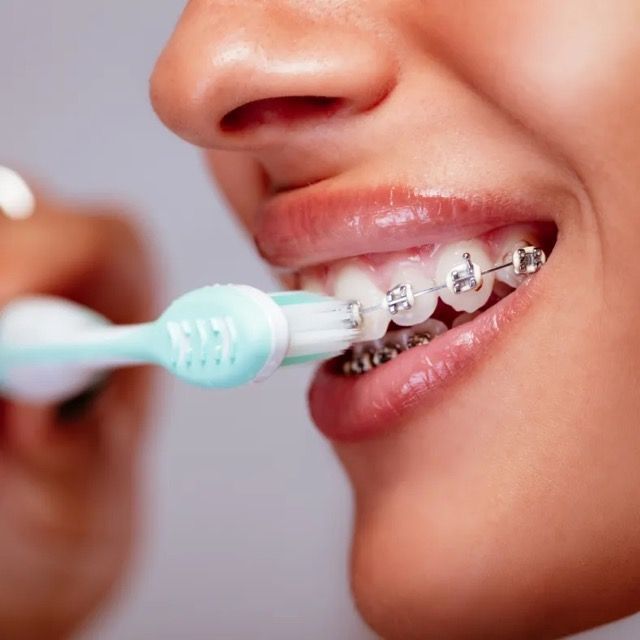
The Impact of Minimal Orthodontic Interventions
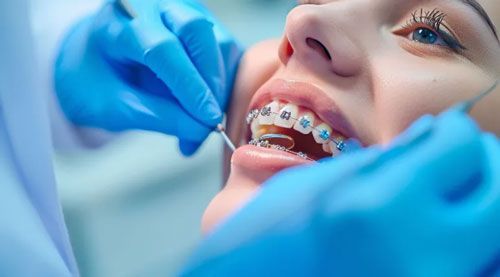
November 5, 2024

Orthodontics plays a crucial role in enhancing dental health and aesthetics, offering solutions that range from minor adjustments to comprehensive realignments. As a specialized branch of dentistry, it focuses on diagnosing, preventing, and correcting misaligned teeth and jaws, thereby improving not only appearance but also oral functionality. The impact of even minimal orthodontic interventions can be profound, leading to significant improvements in dental health and overall well-being. 


Understanding the Basics of Orthodontic Treatments


Orthodontics is a specialized branch of dentistry focused on diagnosing, preventing, and correcting misaligned teeth and jaws. Its relevance in today's context is underscored by the increasing demand for aesthetic improvements and the health benefits associated with proper dental alignment. Historically, orthodontic practices date back to ancient civilizations, with archaeological findings revealing attempts to straighten teeth using rudimentary devices. The modern era of orthodontics began in the late 19th century with the development of more effective and standardized methods. According to the American Association of Orthodontists, approximately 4 million people in the United States are currently undergoing orthodontic treatment, highlighting the field's significant source.


Current Trends and Developments in Orthodontic Treatments


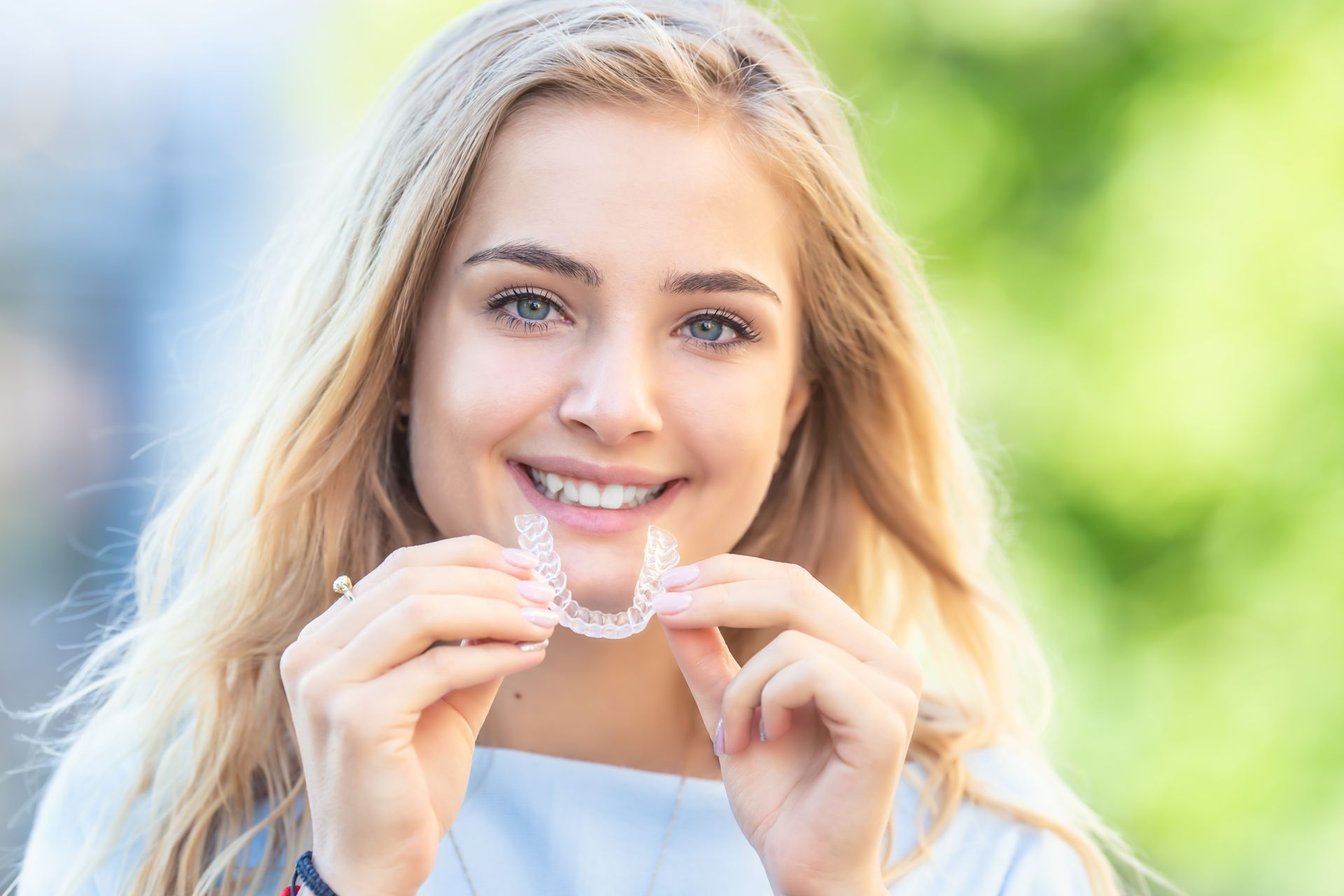
Recent advancements in orthodontics have transformed the field, making treatments more efficient and comfortable. The introduction of clear aligners, such as Invisalign, has revolutionized how orthodontic care is perceived, offering a nearly invisible alternative to traditional braces, and appealing particularly to adults and teens due to their discreet nature. Emerging technologies, like 3D printing and digital imaging, allow for highly personalized treatment plans, improving outcomes and reducing treatment times by enabling precise adjustments tailored to individual dental structures. These technologies also facilitate the creation of custom orthodontic appliances with greater accuracy and speed.


The integration of artificial intelligence and machine learning into treatment planning is enhancing diagnostic accuracy and predicting treatment outcomes more reliably. AI-driven software can analyze vast datasets to optimize tooth movement and treatment efficiency, further reducing the duration and enhancing the effectiveness of orthodontic interventions.


Key players in this space, such as Align Technology and 3M, continue to innovate, driving the industry forward. Align Technology, for example, continually updates its Invisalign system with new materials and design improvements that increase the comfort and strength of aligners. Meanwhile, 3M is investing in advanced bracket systems and adhesives that cater to specific patient needs, improving both comfort and aesthetics.


Cultural and Geographical Influences on Orthodontic Treatments


Cultural perceptions of orthodontic treatments vary significantly around the world. In the United States, orthodontics is often viewed as a rite of passage for teenagers, while in countries like Japan, the concept of "yaeba" or slightly crooked teeth is considered charming. Geographically, access to orthodontic care can differ, with urban areas like Omaha, Fremont, and Elkhorn, Nebraska, having more readily available services compared to rural regions. Local traditions and societal norms can influence the popularity and acceptance of orthodontic treatments in specific areas.


Controversies and Debates Surrounding Orthodontic Treatments


The field of orthodontics is not without its controversies. One major debate revolves around the timing of orthodontic intervention. Some experts advocate for early treatment to guide proper dental development, while others argue that waiting until all adult teeth have emerged is more beneficial. There are also discussions about the cost of orthodontic care and its accessibility, raising questions about healthcare equity. These debates have significant implications for treatment approaches and healthcare policy.


Expert Opinions and Insights on Orthodontic Treatments


Leading experts in orthodontics provide valuable insights into the field's future. Dr. Paul McAllister, a prominent orthodontist, emphasizes the importance of continued research and innovation to enhance patient experiences. Recent studies have shown that advancements in materials science are paving the way for more comfortable and effective braces. Experts predict that artificial intelligence will play a larger role in treatment planning, offering more precise and tailored solutions for patients.


Practical Applications and Case Studies of Orthodontic Treatments


Orthodontic treatments have a wide range of practical applications, from correcting bite issues to improving facial aesthetics. A notable case study involves a young patient from Omaha who underwent a comprehensive treatment plan involving both braces and Invisalign. The outcome was a significant improvement in dental alignment and self-confidence. Such cases highlight the transformative impact of orthodontic care and the importance of personalized treatment approaches.


Challenges and Opportunities in Orthodontic Treatments


Despite the advancements, orthodontics faces several challenges, including high treatment costs and the need for more trained professionals. These challenges also present opportunities for growth and innovation. The development of more affordable treatment options and the integration of tele-orthodontics could expand access to care. Exploring new materials and techniques will be crucial in overcoming existing barriers and enhancing patient satisfaction.


The Role of Minimal Interventions in Orthodontics


Minimal orthodontic interventions can have a significant impact on patients' oral health and confidence. These interventions often involve subtle adjustments that prevent more severe dental issues in the future. By addressing minor misalignments early, orthodontists can help maintain proper oral function and aesthetics with less invasive methods. This approach not only enhances patient comfort but also reduces the overall treatment duration and costs, making orthodontic care more accessible to a broader population.


The Future of Orthodontic Treatments


The future of orthodontics looks promising, with potential breakthroughs on the horizon. Researchers are exploring the use of nanotechnology to create self-adjusting braces, which could drastically reduce treatment times. As the industry evolves, societal and economic impacts are anticipated, with more people accessing affordable and effective orthodontic solutions. The integration of digital technologies will continue to shape the field, making treatments more accessible and efficient for patients in Omaha, Fremont, Elkhorn, and beyond.


Orthodontics is a rapidly evolving field that offers significant benefits through both comprehensive and minimal interventions. As technology advances and cultural perceptions shift, the accessibility and effectiveness of orthodontic treatments are expected to improve. By embracing innovation and addressing current challenges, the field can continue to enhance patient outcomes and broaden access to care. The subtle shifts facilitated by minimal interventions demonstrate the profound impact that orthodontics can have on individuals' health and confidence.


For expert orthodontic care and personalized treatment plans,
 contact us today. McAllister Orthodontics is committed to providing exceptional service and achieving the best outcomes for our patients.
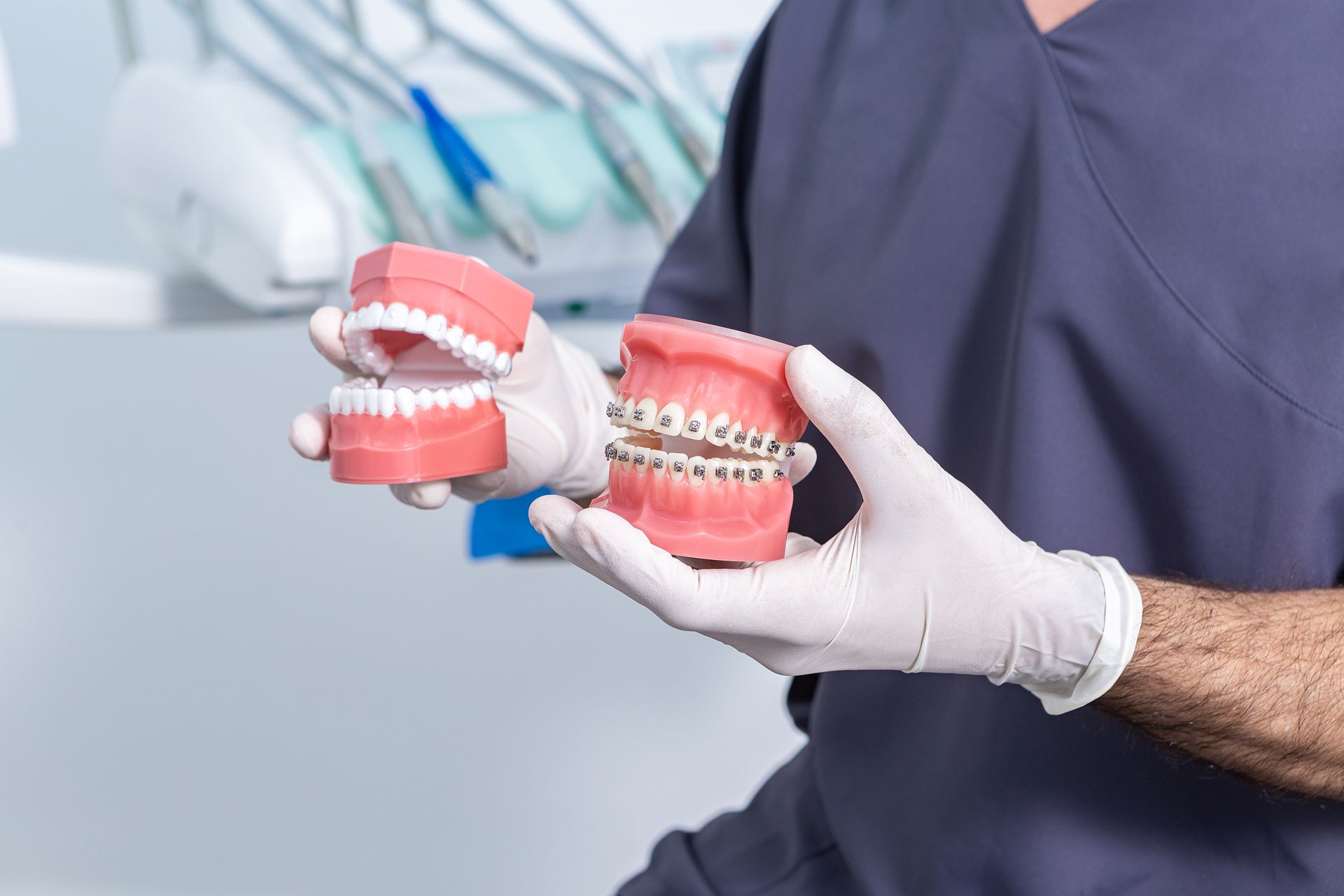

putting braces on
January 28, 2026
Discover the truth about orthodontic treatment! We bust common myths so you can make informed choices for a healthier, more confident smile.
children wearing a school uniform
December 31, 2025
A confident, healthy smile boosts kids’ self-esteem, social success, and academic performance. Unlock your child’s potential with McAllister Orthodontics.
woman smiling
December 3, 2025
Keep your smile beautiful after braces! Learn essential retainer care, hygiene tips, and post-braces advice from McAllister Orthodontics.
young woman smiling
November 19, 2025
Orthodontic care shapes more than your smile—it improves jaw alignment, facial harmony, and overall health. Discover the benefits at McAllister Orthodontics.
woman holding leaves up to her head
October 22, 2025
Stay on track with your orthodontic care year-round! Discover seasonal tips for braces and aligners to keep your smile healthy in every season.
girl in glasses smiling
October 8, 2025
Prepare for your child’s first orthodontic visit with tips, what to expect, and ways to ease anxiety. McAllister Orthodontics makes every step positive!
a daughter and a mother hugging in front of a yellow background
August 27, 2025
Explore personalized orthodontic care for every age at McAllister Orthodontics—helping kids, teens, and adults achieve healthy, confident smiles.
woman smiling
July 30, 2025
Explore the future of orthodontics: digital technology, AI, and personalized care are transforming treatments for better comfort and results at McAllister Orthodontics.
July 18, 2025
Orthodontic care has experienced a remarkable transformation over the past decade, driven by the rapid advancement of technology. Today, patients at practices like McAllister Orthodontics benefit from tools and techniques that were once unimaginable. From digital imaging to 3D printing, modern orthodontics now offers greater precision, increased comfort, and more predictable results than ever before. Here, we will explore the technological innovations shaping orthodontic care and highlight how McAllister Orthodontics leverages these advancements to deliver exceptional patient outcomes.  Revolutionizing Diagnosis with Digital Imaging The foundation of any successful orthodontic treatment plan lies in accurate diagnosis and thorough planning. In the past, orthodontists relied on traditional X-rays and physical molds to assess patients’ needs. While effective, these methods had their limitations in terms of detail, comfort, and speed. Today, digital imaging technology has revolutionized this process. Some clinics use advanced digital X-rays and 3D cone beam computed tomography (CBCT) to capture highly detailed images of the teeth, jaw, and facial structures. Digital X-rays emit up to 80% less radiation than conventional X-rays, prioritizing patient safety while providing immediate, high-resolution images that can be easily shared and analyzed by the orthodontic team. These digital tools allow for unprecedented clarity and accuracy in diagnosing issues that may not be visible to the naked eye. For example, CBCT scans provide a comprehensive 3D view, enabling the orthodontist to plan treatments that account for the unique anatomy of each patient. This level of detail is particularly important for complex cases, such as impacted teeth or jaw discrepancies, and helps ensure optimal treatment outcomes. 3D Printing: A New Era of Custom Appliances One of the most exciting technological advances in orthodontics is the integration of 3D printing. This innovation has fundamentally changed how orthodontic appliances—such as aligners, retainers, and even brackets—are designed and manufactured. 3D printing technology is used to fabricate custom appliances tailored to the exact specifications of each patient. After capturing a digital scan of the patient’s teeth, the orthodontist can design an appliance that fits perfectly, ensuring greater comfort and more effective treatment. The process is not only faster than traditional methods but also reduces the need for multiple adjustments. 3D printing also allows for greater flexibility in treatment planning. For instance, custom clear aligners can be produced in-house, minimizing wait times and allowing for rapid adjustments if a patient’s needs change. This adaptability enhances the overall patient experience and can shorten treatment times when compared to traditional braces. Enhancing Precision with Digital Treatment Planning Treatment planning is more sophisticated than ever, thanks to advances in digital technology. Using specialized orthodontic software, your orthodontist can create a comprehensive, digital roadmap of your entire treatment journey—before any appliance is placed. Digital modeling allows orthodontists to simulate tooth movements and visualize the final results. This predictive capability not only helps us set realistic expectations but also allows for adjustments before treatment even begins. Patients can see a digital preview of their new smile, making the process more engaging and reassuring. Moreover, digital treatment planning minimizes the risk of unforeseen complications. By anticipating how teeth will move in response to various forces, orthodontists can choose the most efficient and comfortable approach for each individual. This means fewer appointments and a smoother experience for our patients. Improving Patient Comfort and Convenience Traditionally, orthodontic care was often associated with discomfort and frequent office visits for adjustments. Technological innovation allows orthodontists to provide a higher level of comfort and convenience throughout the treatment process. For example, digital impressions have largely replaced the need for messy, uncomfortable dental molds. Using an intraoral scanner, we can quickly and comfortably capture an accurate digital impression of your teeth. This not only enhances accuracy but also improves the overall patient experience. Additionally, remote monitoring tools now allow some aspects of treatment to be managed virtually. Patients can send photos of their teeth through secure platforms, enabling the orthodontist to assess progress and make recommendations without requiring an in-person visit. This is particularly valuable for busy families and those who travel frequently, making orthodontic care more accessible than ever before. Real-Life Impact at McAllister Orthodontics At McAllister Orthodontics, our commitment to embracing new technology is rooted in our desire to provide the best possible care for our patients. We continually invest in the latest tools and techniques to ensure that every patient receives treatment that is not only effective but also comfortable and convenient. Our use of digital imaging allows us to diagnose with confidence and plan treatments that are personalized and precise. 3D printing technology gives us the flexibility to create custom appliances quickly, minimizing delays and maximizing comfort. Digital treatment planning provides a clear path to success, helping our patients visualize their results from the very beginning. Most importantly, these technological advancements mean that our patients spend less time in the dental chair and more time enjoying the benefits of a healthy, beautiful smile. By prioritizing both outcomes and experience, McAllister Orthodontics is setting a new standard for modern orthodontic care. The Future of Orthodontics Is Here As technology continues to evolve, so too will the possibilities for orthodontic treatment. We are proud to be at the forefront of this transformation, using today’s most advanced tools to create a better, more comfortable future for our patients. If you’re interested in learning more about how technology can enhance your orthodontic experience, schedule a consultation for more information. Discover firsthand how modern innovation can make your journey to a beautiful smile easier and more enjoyable than ever before.
Smiling person with metal braces on teeth.
June 4, 2025
Orthodontic treatment is a journey toward a healthier, more confident smile. While most patients at McAllister Orthodontics experience a smooth process, unexpected situations can occasionally arise. Knowing how to handle orthodontic emergencies not only helps you stay comfortable but also ensures your treatment stays on track. This guide will prepare you for the unexpected, providing practical steps for managing common issues, advice for prevention, and tips to bring you peace of mind. Understanding Orthodontic Emergencies Orthodontic emergencies are rarely life-threatening, but they can cause discomfort or disrupt your treatment plan if not addressed promptly. A misconception is that emergencies include broken brackets, poking wires, lost or damaged aligners, while these incidents require repair appointments they are not true orthodontic emergencies. The only true orthodontic emergency would be some sort of trauma or accidental trauma to the mouth. Recognizing the difference between a true emergency and a minor issue is essential to determine your next steps. Common Issues and Immediate Actions Broken Brackets or Bands A bracket or band can become loose due to biting into hard foods, sustaining an injury, or simply from the wear and tear of daily use. If you notice a bracket is loose but still attached to the wire, leave it in place and avoid wiggling it. Use orthodontic wax to cushion the area and minimize irritation. If the bracket detaches completely, keep it in a safe place and bring it to your next appointment. While a broken bracket isn’t an urgent emergency, it is important to contact your orthodontist to schedule a repair. Poking or Protruding Wires A wire that shifts out of place can poke the inside of your cheeks or gums, causing discomfort. If this happens, try to push the wire back into place with a clean pencil eraser or cotton swab. If that’s not possible, cover the sharp end with orthodontic wax and avoid touching the area with your tongue. In some cases, you may be able to trim the wire with sterile nail clippers, but call the orthodontist if needed during business hours to discuss the safest option. Lost or Broken Aligners Misplacing or damaging a clear aligner can interrupt your progress. If you lose an aligner, move on to the next one in your series if directed by your orthodontist, or wear the previous one to maintain tooth position until you can get a replacement. Never attempt to repair a broken aligner yourself, as this can compromise your treatment and oral health. Mouth Sores or Soft Tissue Irritation Orthodontic appliances may occasionally cause small sores or irritation inside your mouth. Rinsing with warm salt water can help soothe discomfort and keep the area clean. Orthodontic wax is also helpful for covering brackets or wires that are causing irritation. Accidental Trauma In rare cases, accidents or sports injuries can damage your braces or teeth. If you experience significant pain, bleeding, or a tooth is knocked out, seek immediate dental or medical attention. For less severe injuries, apply a cold compress to reduce swelling and call your orthodontist to determine the best course of action. Managing Discomfort at Home Orthodontic discomfort, such as soreness after an adjustment, is common and typically subsides within a few days. Over-the-counter pain relievers like acetaminophen or ibuprofen can provide relief. Eating soft foods and avoiding crunchy or sticky items will help minimize irritation. For specific tips, you can visit our Braces FAQ page. When to Seek Professional Help Most orthodontic emergencies can be managed at home temporarily, but some situations require prompt professional attention. If you experience severe pain, persistent bleeding, swelling, or a broken appliance that interferes with eating or speaking, contact your orthodontist office right away. Preventing Orthodontic Emergencies Prevention is key to a stress-free orthodontic experience. Following your orthodontist’s instructions and maintaining good oral hygiene can significantly reduce your risk of emergencies. Here are a few key strategies: Avoid Hard, Sticky, and Chewy Foods: Foods like popcorn, nuts, chewing gum, and caramel can damage your braces or get stuck in your appliances. For a full list of what to avoid, see this resource. Wear Protective Gear During Sports: Mouthguards are essential for anyone participating in contact sports. They protect your teeth and braces from potential injury. Keep Regular Appointments: Skipping scheduled visits can lead to unnoticed issues and may delay your progress. We encourage staying up to date with your appointments. Handle Appliances with Care: When inserting or removing aligners, do so gently to avoid bending or breaking them. Store your aligners in their case when not in use to prevent loss or damage. Peace of Mind Throughout Your Treatment Orthodontic emergencies can be unsettling, but with the right knowledge and resources, you can manage unexpected events confidently. At McAllister Orthodontics, we are committed to supporting you every step of the way—from routine adjustments to urgent care. If you ever have concerns or questions about your treatment, don’t hesitate to reach out to our friendly team. Your journey to a beautiful smile should be as smooth and comfortable as possible. By staying informed, prepared, and connected with your orthodontic provider, you can handle the unexpected and keep your treatment on track. For more information and resources, visit our blog or explore our Patient Resources page .
More Posts