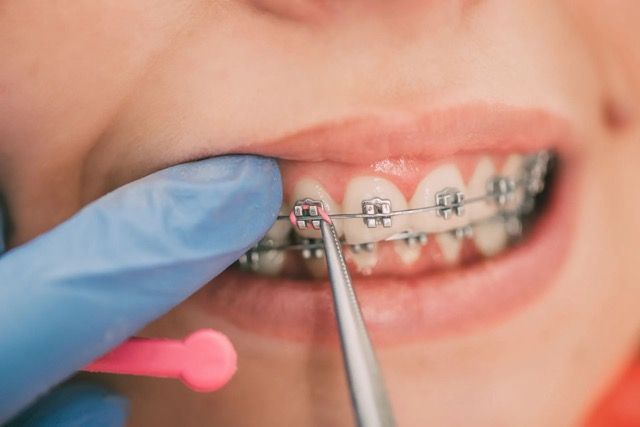
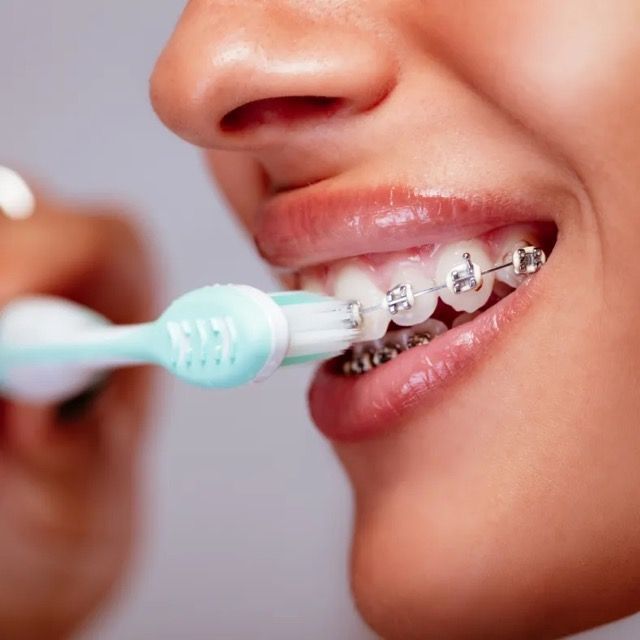
Navigating Nutrition with Braces

July 12, 2024

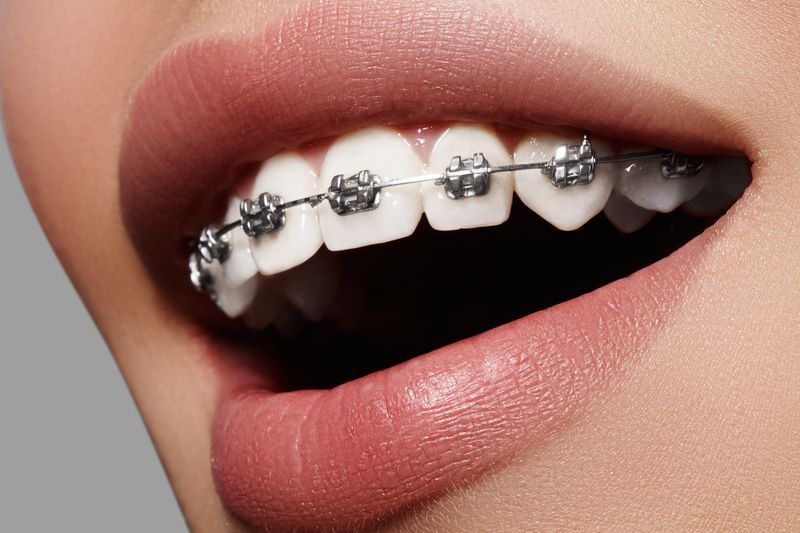
Discover essential tips for maintaining optimal oral health while wearing braces. From navigating dietary choices to understanding proper oral hygiene practices, this resource offers invaluable insights to ensure a healthy smile throughout the orthodontic journey.


The Connection Between Diet and Oral Health


Dental health is intricately linked to what we consume daily. While many are aware that sugar is a culprit for dental issues, fewer understand the broader impact of diet on oral health. Food and beverages high in sugar and acids are particularly harmful, as they facilitate the growth of bacteria in the mouth. This bacterial activity can lead to cavities, enamel erosion, and other dental problems if left unchecked. Specifically, when sugary and acidic substances linger on the teeth, they provide a perfect environment for bacteria to thrive, producing acids that erode dental enamel over time.


Oral health issues stemming from diet are not limited to the effects of sugar and acids. The overall quality of one’s diet plays a critical role in maintaining healthy teeth and gums. A balanced diet rich in essential nutrients contributes to the strength and durability of tooth structure, as well as the health of the gums and oral tissues. For instance, calcium and phosphorus help to rebuild enamel, while Vitamin C is crucial for gum health. Consequently, a diet lacking in these and other nutrients can lead to weakened defenses against oral health problems.


Recent studies have underscored the significant impact of nutrition on oral health. Research indicates that diets high in fruits, vegetables, and dairy products with low sugar content can contribute to reduced risk of cavities and other dental issues. These findings support the idea that comprehensive dental care extends beyond brushing and flossing to include dietary considerations. For further insights into the connection between diet and oral health, the
American Dental Association offers resources and guidelines that highlight the importance of nutrition in dental care.


Embracing a diet that supports oral health does not only help in avoiding dental problems; it also sets a foundation for a lifetime of healthy teeth and gums. Paying attention to the foods we eat and understanding their effects on our dental health are critical steps toward maintaining a beautiful and healthy smile, particularly for individuals undergoing orthodontic treatment. By making informed dietary choices, patients can significantly influence the success of their orthodontic treatment and the long-term health of their teeth and gums.


Brace-Friendly Nutrition Basics


Navigating dietary choices can become a complex affair for those with braces. The introduction of orthodontic appliances into one's daily life necessitates dietary modifications to protect both the integrity of the braces and overall oral health. Certain foods must be avoided or consumed with caution, as they can damage braces, leading to costly repairs or extended treatment times. It is not just about avoiding harm; it's also about integrating foods that support dental health, and enhancing the orthodontic treatment process.


Nutrients like Calcium, Phosphorus, and Vitamin D play vital roles in supporting the health of teeth and gums, especially for orthodontic patients. Calcium strengthens the bones and structures holding the teeth in place, while Phosphorus aids in rebuilding and repairing tooth enamel. Vitamin D enhances calcium absorption, further fortifying teeth against potential damage from braces. Foods rich in these nutrients include dairy products such as milk and cheese, leafy greens, nuts, and fish.


Brace-friendly meal
ideas might include smoothies packed with fruits, vegetables, and a dairy or dairy-alternative base, providing a nutritional powerhouse that's easy on braces. Soft-cooked meats, grains like quinoa and pasta, and steamed vegetables can make satisfying dinners without placing undue stress on orthodontic appliances. For snacks, opting for yogurt, soft fruits like bananas, or cheese slices can offer nutritious alternatives that are also kind to braces.


Foods to Avoid with Braces


While it's essential to incorporate nutrient-rich, soft foods into your diet, there are also specific foods orthodontic patients should steer clear of. Hard candies, gum, popcorn, and overly crunchy or sticky foods pose risks to braces by potentially bending wires or dislodging brackets. Beyond the immediate risk of damage to the orthodontic appliances, these foods can contribute to cavities and other oral health issues by becoming lodged in hard-to-clean areas around the braces.


To satisfy cravings without putting orthodontic treatment at risk, patients can opt for healthier, softer alternatives. For a sweet treat, try frozen yogurt or smoothies instead of hard or sticky candies. If crunchy snacks are a must, lightly steamed vegetables can provide a satisfying crunch without the risk. Being mindful of food texture and composition can go a long way in maintaining both the integrity of braces and overall oral health.


Adapting to a brace-friendly diet is a crucial aspect of a successful orthodontic journey. By focusing on essential nutrients and making informed dietary choices, patients can not only protect their orthodontic appliances but also support their oral health, ensuring a smoother treatment process and healthier outcomes.


Adapting Your Diet for Orthodontic Success


Orthodontic treatment is a journey that extends beyond the mere application of braces—it includes adapting one's lifestyle in ways that ensure success. A pivotal aspect of this adjustment revolves around diet. For many, the idea of dietary restrictions can seem daunting, conjuring thoughts of limitation and deprivation. With the right approach, adapting your diet can be both creative and enjoyable, contributing significantly to the effectiveness of your orthodontic treatment. Hydration plays a crucial role in oral health, even more so for those with braces. 


Drinking plenty of water not only aids in maintaining optimal oral hygiene by rinsing away food particles and bacteria, but it also ensures the proper functioning of the saliva - nature’s best mechanism for neutralizing harmful acids and supporting enamel remineralization. With braces, patients should be advised to avoid beverages high in sugar or acidity, as these can intensify the risk of enamel erosion and decay. One cannot overstate the importance of regular dental check-ups during orthodontic treatment. These appointments allow professionals to monitor progress, make necessary adjustments, and provide guidance on maintaining optimal oral health, including personalized dietary advice. These interactions are key to ensuring that patients are on track to achieve their desired outcomes.


Beyond the Braces: Maintaining Oral Health After Treatment


The removal of braces marks a significant milestone in one's orthodontic journey, but it's not the end of the road for maintaining oral health. Transitioning back to a "normal" diet post-braces offers an opportunity to continue the good nutrition habits fostered during treatment. Patients are encouraged to slowly reintroduce foods that were off-limits, paying close attention to how their teeth and gums respond. Maintaining a dental care routine post-orthodontic treatment is paramount. Consistent fluoride treatments, brushing, and flossing help strengthen teeth and guard against cavities. With braces off, it's easier to clean thoroughly around the entire surface of each tooth, further reducing the risk of dental issues. Adapting your diet during and after orthodontic treatment doesn’t mean giving up the foods you love; it's about enjoying them smartly and healthily. The journey towards a perfect smile doesn't end with orthodontic treatment—it's an ongoing commitment to oral health that requires continuous care and attention. 


By embracing these changes and maintaining good habits, patients can enjoy not just straighter teeth but a lifetime of healthy smiles.


For personalized guidance on maintaining a healthy diet and oral care routine with braces, reach out to McAllister Orthodontics today. Our skilled team can assist you throughout your journey to achieving optimal oral health.
Schedule your appointment now for expert advice and care.

young woman smiling
November 19, 2025
Orthodontic care shapes more than your smile—it improves jaw alignment, facial harmony, and overall health. Discover the benefits at McAllister Orthodontics.
woman holding leaves up to her head
October 22, 2025
Stay on track with your orthodontic care year-round! Discover seasonal tips for braces and aligners to keep your smile healthy in every season.
girl in glasses smiling
October 8, 2025
Prepare for your child’s first orthodontic visit with tips, what to expect, and ways to ease anxiety. McAllister Orthodontics makes every step positive!
a daughter and a mother hugging in front of a yellow background
August 27, 2025
Explore personalized orthodontic care for every age at McAllister Orthodontics—helping kids, teens, and adults achieve healthy, confident smiles.
woman smiling
July 30, 2025
Explore the future of orthodontics: digital technology, AI, and personalized care are transforming treatments for better comfort and results at McAllister Orthodontics.
July 18, 2025
Orthodontic care has experienced a remarkable transformation over the past decade, driven by the rapid advancement of technology. Today, patients at practices like McAllister Orthodontics benefit from tools and techniques that were once unimaginable. From digital imaging to 3D printing, modern orthodontics now offers greater precision, increased comfort, and more predictable results than ever before. Here, we will explore the technological innovations shaping orthodontic care and highlight how McAllister Orthodontics leverages these advancements to deliver exceptional patient outcomes.  Revolutionizing Diagnosis with Digital Imaging The foundation of any successful orthodontic treatment plan lies in accurate diagnosis and thorough planning. In the past, orthodontists relied on traditional X-rays and physical molds to assess patients’ needs. While effective, these methods had their limitations in terms of detail, comfort, and speed. Today, digital imaging technology has revolutionized this process. Some clinics use advanced digital X-rays and 3D cone beam computed tomography (CBCT) to capture highly detailed images of the teeth, jaw, and facial structures. Digital X-rays emit up to 80% less radiation than conventional X-rays, prioritizing patient safety while providing immediate, high-resolution images that can be easily shared and analyzed by the orthodontic team. These digital tools allow for unprecedented clarity and accuracy in diagnosing issues that may not be visible to the naked eye. For example, CBCT scans provide a comprehensive 3D view, enabling the orthodontist to plan treatments that account for the unique anatomy of each patient. This level of detail is particularly important for complex cases, such as impacted teeth or jaw discrepancies, and helps ensure optimal treatment outcomes. 3D Printing: A New Era of Custom Appliances One of the most exciting technological advances in orthodontics is the integration of 3D printing. This innovation has fundamentally changed how orthodontic appliances—such as aligners, retainers, and even brackets—are designed and manufactured. 3D printing technology is used to fabricate custom appliances tailored to the exact specifications of each patient. After capturing a digital scan of the patient’s teeth, the orthodontist can design an appliance that fits perfectly, ensuring greater comfort and more effective treatment. The process is not only faster than traditional methods but also reduces the need for multiple adjustments. 3D printing also allows for greater flexibility in treatment planning. For instance, custom clear aligners can be produced in-house, minimizing wait times and allowing for rapid adjustments if a patient’s needs change. This adaptability enhances the overall patient experience and can shorten treatment times when compared to traditional braces. Enhancing Precision with Digital Treatment Planning Treatment planning is more sophisticated than ever, thanks to advances in digital technology. Using specialized orthodontic software, your orthodontist can create a comprehensive, digital roadmap of your entire treatment journey—before any appliance is placed. Digital modeling allows orthodontists to simulate tooth movements and visualize the final results. This predictive capability not only helps us set realistic expectations but also allows for adjustments before treatment even begins. Patients can see a digital preview of their new smile, making the process more engaging and reassuring. Moreover, digital treatment planning minimizes the risk of unforeseen complications. By anticipating how teeth will move in response to various forces, orthodontists can choose the most efficient and comfortable approach for each individual. This means fewer appointments and a smoother experience for our patients. Improving Patient Comfort and Convenience Traditionally, orthodontic care was often associated with discomfort and frequent office visits for adjustments. Technological innovation allows orthodontists to provide a higher level of comfort and convenience throughout the treatment process. For example, digital impressions have largely replaced the need for messy, uncomfortable dental molds. Using an intraoral scanner, we can quickly and comfortably capture an accurate digital impression of your teeth. This not only enhances accuracy but also improves the overall patient experience. Additionally, remote monitoring tools now allow some aspects of treatment to be managed virtually. Patients can send photos of their teeth through secure platforms, enabling the orthodontist to assess progress and make recommendations without requiring an in-person visit. This is particularly valuable for busy families and those who travel frequently, making orthodontic care more accessible than ever before. Real-Life Impact at McAllister Orthodontics At McAllister Orthodontics, our commitment to embracing new technology is rooted in our desire to provide the best possible care for our patients. We continually invest in the latest tools and techniques to ensure that every patient receives treatment that is not only effective but also comfortable and convenient. Our use of digital imaging allows us to diagnose with confidence and plan treatments that are personalized and precise. 3D printing technology gives us the flexibility to create custom appliances quickly, minimizing delays and maximizing comfort. Digital treatment planning provides a clear path to success, helping our patients visualize their results from the very beginning. Most importantly, these technological advancements mean that our patients spend less time in the dental chair and more time enjoying the benefits of a healthy, beautiful smile. By prioritizing both outcomes and experience, McAllister Orthodontics is setting a new standard for modern orthodontic care. The Future of Orthodontics Is Here As technology continues to evolve, so too will the possibilities for orthodontic treatment. We are proud to be at the forefront of this transformation, using today’s most advanced tools to create a better, more comfortable future for our patients. If you’re interested in learning more about how technology can enhance your orthodontic experience, schedule a consultation for more information. Discover firsthand how modern innovation can make your journey to a beautiful smile easier and more enjoyable than ever before.
June 4, 2025
Orthodontic treatment is a journey toward a healthier, more confident smile. While most patients at McAllister Orthodontics experience a smooth process, unexpected situations can occasionally arise. Knowing how to handle orthodontic emergencies not only helps you stay comfortable but also ensures your treatment stays on track. This guide will prepare you for the unexpected, providing practical steps for managing common issues, advice for prevention, and tips to bring you peace of mind. Understanding Orthodontic Emergencies Orthodontic emergencies are rarely life-threatening, but they can cause discomfort or disrupt your treatment plan if not addressed promptly. A misconception is that emergencies include broken brackets, poking wires, lost or damaged aligners, while these incidents require repair appointments they are not true orthodontic emergencies. The only true orthodontic emergency would be some sort of trauma or accidental trauma to the mouth. Recognizing the difference between a true emergency and a minor issue is essential to determine your next steps. Common Issues and Immediate Actions Broken Brackets or Bands A bracket or band can become loose due to biting into hard foods, sustaining an injury, or simply from the wear and tear of daily use. If you notice a bracket is loose but still attached to the wire, leave it in place and avoid wiggling it. Use orthodontic wax to cushion the area and minimize irritation. If the bracket detaches completely, keep it in a safe place and bring it to your next appointment. While a broken bracket isn’t an urgent emergency, it is important to contact your orthodontist to schedule a repair. Poking or Protruding Wires A wire that shifts out of place can poke the inside of your cheeks or gums, causing discomfort. If this happens, try to push the wire back into place with a clean pencil eraser or cotton swab. If that’s not possible, cover the sharp end with orthodontic wax and avoid touching the area with your tongue. In some cases, you may be able to trim the wire with sterile nail clippers, but call the orthodontist if needed during business hours to discuss the safest option. Lost or Broken Aligners Misplacing or damaging a clear aligner can interrupt your progress. If you lose an aligner, move on to the next one in your series if directed by your orthodontist, or wear the previous one to maintain tooth position until you can get a replacement. Never attempt to repair a broken aligner yourself, as this can compromise your treatment and oral health. Mouth Sores or Soft Tissue Irritation Orthodontic appliances may occasionally cause small sores or irritation inside your mouth. Rinsing with warm salt water can help soothe discomfort and keep the area clean. Orthodontic wax is also helpful for covering brackets or wires that are causing irritation. Accidental Trauma In rare cases, accidents or sports injuries can damage your braces or teeth. If you experience significant pain, bleeding, or a tooth is knocked out, seek immediate dental or medical attention. For less severe injuries, apply a cold compress to reduce swelling and call your orthodontist to determine the best course of action. Managing Discomfort at Home Orthodontic discomfort, such as soreness after an adjustment, is common and typically subsides within a few days. Over-the-counter pain relievers like acetaminophen or ibuprofen can provide relief. Eating soft foods and avoiding crunchy or sticky items will help minimize irritation. For specific tips, you can visit our Braces FAQ page. When to Seek Professional Help Most orthodontic emergencies can be managed at home temporarily, but some situations require prompt professional attention. If you experience severe pain, persistent bleeding, swelling, or a broken appliance that interferes with eating or speaking, contact your orthodontist office right away. Preventing Orthodontic Emergencies Prevention is key to a stress-free orthodontic experience. Following your orthodontist’s instructions and maintaining good oral hygiene can significantly reduce your risk of emergencies. Here are a few key strategies: Avoid Hard, Sticky, and Chewy Foods: Foods like popcorn, nuts, chewing gum, and caramel can damage your braces or get stuck in your appliances. For a full list of what to avoid, see this resource. Wear Protective Gear During Sports: Mouthguards are essential for anyone participating in contact sports. They protect your teeth and braces from potential injury. Keep Regular Appointments: Skipping scheduled visits can lead to unnoticed issues and may delay your progress. We encourage staying up to date with your appointments. Handle Appliances with Care: When inserting or removing aligners, do so gently to avoid bending or breaking them. Store your aligners in their case when not in use to prevent loss or damage. Peace of Mind Throughout Your Treatment Orthodontic emergencies can be unsettling, but with the right knowledge and resources, you can manage unexpected events confidently. At McAllister Orthodontics, we are committed to supporting you every step of the way—from routine adjustments to urgent care. If you ever have concerns or questions about your treatment, don’t hesitate to reach out to our friendly team. Your journey to a beautiful smile should be as smooth and comfortable as possible. By staying informed, prepared, and connected with your orthodontic provider, you can handle the unexpected and keep your treatment on track. For more information and resources, visit our blog or explore our Patient Resources page .
April 23, 2025
Clear aligners and metal braces have both proven their worth in helping patients achieve straighter teeth and healthier smiles. Yet, despite their established track record, plenty of myths and misconceptions persist. For those in Omaha considering orthodontic treatment, understanding the reality behind these myths is key to making a confident decision. Here, we’ll delve into the truth about clear aligners and metal braces by analyzing effectiveness, comfort, appearance, and safety. The Myth of Effectiveness: Are Clear Aligners Really Less Capable? One of the most widespread myths is that clear aligners are somehow “weaker” or less capable than metal braces. In reality, both clear aligners and metal braces effectively address a range of orthodontic issues, from mild crowding to more complex malocclusions. Clear aligners can be just as successful in correcting misalignment , provided patients comply with the recommended wear times. As with any orthodontic treatment, diligence matters: skipping aligner wear or not following guidelines can diminish results. When used properly, however, clear aligners and metal braces can deliver comparable outcomes, offering patients a dependable path toward an aligned smile. Metal braces remain a staple in orthodontics because of their versatility in treating moderate to severe alignment challenges. The durable design allows orthodontists to control tooth movement precisely, adjusting wires and brackets for refined corrections. However, that precision doesn’t mean clear aligners aren’t equally suited for many cases. Advancements in aligner materials and 3D treatment planning have dramatically expanded their ability to fix complex alignment concerns. Ultimately, the choice between clear aligners and metal braces often depends on patient preference, lifestyle, and the recommendation of your orthodontist. Comfort and Convenience: Debunking Pain Myths Another myth centers on the notion that metal braces are inherently painful, while clear aligners are entirely painless. Discomfort levels vary from person to person and typically relate more to the tooth movement process than the appliance itself. Initially, both clear aligners and metal braces can create pressure as teeth shift, which may lead to mild soreness for a few days. Over time, most patients adapt to this pressure.  Clear aligners do have a slight edge in comfort because there are no wires or brackets to rub against the inside of the cheeks. Yet, wearing aligners for the recommended 20 to 22 hours per day still requires discipline. Patients may notice discomfort when inserting or removing them, especially at the beginning of a new aligner tray. Meanwhile, metal braces can require occasional adjustments, and you might need to use orthodontic wax if the brackets cause irritation. No system is entirely free of discomfort, but neither option is unmanageably painful, and modern orthodontic advancements continually focus on patient comfort. Appearance and Self-Confidence: A Question of Visibility Appearance is a common concern that shapes patient decisions. Clear aligners are virtually invisible, which appeals to teenagers and adults who are hesitant about flashing a metal smile at school or work. This cosmetic edge often makes aligners popular among those who place a premium on discreet treatment. For others, especially children or younger teens, braces can be a rite of passage. Moreover, there are now options for metal braces with smaller brackets, aesthetic materials, or colorful bands. What’s important is to acknowledge that both options can foster self-confidence. Metal braces today are sleeker than they were decades ago, and many patients enjoy personalizing their brackets with different colored elastics. Clear aligners, though more subtle, still require consistent use to remain clear and avoid staining from drinks like coffee or tea. Regardless of the choice, seeing progress toward a straighter smile encourages many patients to feel more self-assured, even during treatment. Safety Considerations: Addressing Misconceptions Some future patients worry about metal braces and potential issues with broken wires or brackets, while others suspect that plastic aligners may not be as hygienic. In practice, each system has established safety measures. Metal braces consist of medical-grade materials designed to minimize adverse reactions, and bonding techniques have been refined to reduce bracket breakage. Clear aligners today are typically made from BPA-free thermoplastic, posing minimal risk of leaching chemicals. Both metal braces and clear aligners, when used correctly, uphold rigorous safety standards and are well-tolerated by most patients. Maintaining proper oral hygiene is the real key here: regular brushing, flossing, and professional cleaning ensure that whichever option you choose works safely in tandem with a healthy smile. Thinking About Your Next Steps Choosing between clear aligners and metal braces can feel overwhelming, but it comes down to personal preference, lifestyle, and the scope of your orthodontic needs. If you value near-invisible treatment and are diligent enough to wear aligners for the prescribed duration, clear aligners may be the ideal choice. If you prefer something more fixed and robust for complex cases, metal braces remain a fantastic, time-tested option. Both serve as proven methods to correct misalignment, each with unique perks. At McAllister Orthodontics, we assess your individual needs and discuss which treatment aligns best with your goals. We believe in transparent, evidence-based guidance to help you navigate the options and experience the most comfortable, gratifying journey to a new smile. Ready to Learn More? Your path to a straighter, healthier smile starts with professional advice tailored to your situation. When you’re ready to talk about clear aligners or metal braces, we’re here to help. Contact us to schedule a consultation or learn more about our services at McAllister Orthodontics. We look forward to answering your questions and guiding you through your orthodontic journey.
April 9, 2025
Orthodontic practices do more than help families achieve straight, beautiful smiles. In Omaha, Elkhorn and Fremont, a dedicated focus on community engagement creates a ripple effect that benefits schools, local events, and charitable organizations. As an essential part of the cities’ healthcare network, these practices show just how much the right partnerships and initiatives can nurture both oral health and overall well-being.  Investing in Local Education Few places benefit more from community support than schools, where feel-good partnerships often amplify the success of children and teenagers. McAllister Orthodontics works closely with neighborhood schools throughout Omaha, Elkhorn and Fremont, finding meaningful ways to enrich the educational experience. Whether through in-school presentations on the importance of orthodontic care or by providing resources for health fairs, these collaborations build connections that help children feel confident about their oral health. Research suggests that healthy, well-aligned teeth contribute to better self-esteem among students, which can influence their classroom performance. By working alongside teachers and school administrators, orthodontic practices strengthen self-esteem from a young age, paving the way for a brighter academic journey. In addition to these in-school efforts, Orthodontist offices often team up with parent-teacher organizations to offer helpful tips and interactive discussions at family events, exemplifying a commitment to accessible orthodontic education. Through these partnerships, local families get direct, convenient support whenever they have questions about oral health. Sponsorship of Community Events Events that bring Omaha, Elkhorn and Fremont residents together showcase the city’s energy and warmth. Local orthodontic practices champion that community spirit by sponsoring fun runs, festivals, and charitable fundraisers. This widespread involvement fosters a vibrant local culture where healthy smiles matter just as much as supportive relationships. Charitable Activities: Making a Lasting Impact When local orthodontic practices get involved with charitable organizations, they embody the generosity and compassion that define Omaha’s community spirit. Orthodontists and their teams often volunteer time and resources to benefit families who may not have access to the same healthcare opportunities. This charitable support can range from contributing funds for essential supplies to holding special events where staff members assist families in navigating orthodontic care options. Many orthodontic offices collaborate with nonprofits—such as those focusing on children’s well-being—to help ensure every young person has a chance at a healthy smile. It’s a testament to the belief that brighter, more confident smiles can transform lives, boosting self-esteem and opening doors to new possibilities. Volunteer time in the United States is valued at over $33 per hour , underscoring the tangible, measurable impact of community involvement. When orthodontic teams volunteer at local charitable clinics or fundraisers, it represents a genuine investment in the future of Omaha, Elkhorn and Fremont—because strong communities are built on kindness and the willingness to lend a hand. A Commitment to Omaha’s Well-Being McAllister Orthodontics demonstrates its dedication to patients by supporting their families and friends outside the office, too. This comprehensive sense of care has woven the practice into the fabric of Omaha, Elkhorn and Fremont. As an example, they encourage patients to maintain routine checkups while reinforcing the idea that a healthy bite leads to better quality of life. They also celebrate success stories that highlight personal transformation. Where to Learn More Omaha, Elkhorn and Fremont residents seeking orthodontic care benefit from a community-first approach that goes well beyond the clinic. Whether it’s forming valuable partnerships with educators or sending volunteers to local charities, we at McAllister Orthodontics consistently enhance the city’s collective health. For more information on the services offered, or to set up your next appointment, contact us today or explore other sections of the website. This dedication to community support sets the example of what a truly patient-focused orthodontic practice can accomplish. By funding events, hosting educational programs, and volunteering time, McAllister Orthodontics remains a proud partner in Fremont and Omaha’s growth, aiming to create a positive impact that resonates far beyond the walls of the office.
A young girl is holding a clear braces in her mouth.
March 26, 2025
Discover the latest clear aligner innovations for faster, more comfortable, and discreet orthodontic treatment at McAllister Orthodontics.
More Posts